
“To Be a StarrGirl”: How Nigerian Youth Are Creating Their Future By Reinterpreting Traditions of the Past
August 13. 2026 | Written by Tomisin Fasosin
Last Thursday, my friend Sikirat and I pulled up to Ayra Starr’s listening party for her upcoming album StarrGirl in geles, matching Tia Adeola dresses, and the nastiest heels! I absolutely adore twinning with friends, and it was fun to replicate Ayra’s iconic album cover.
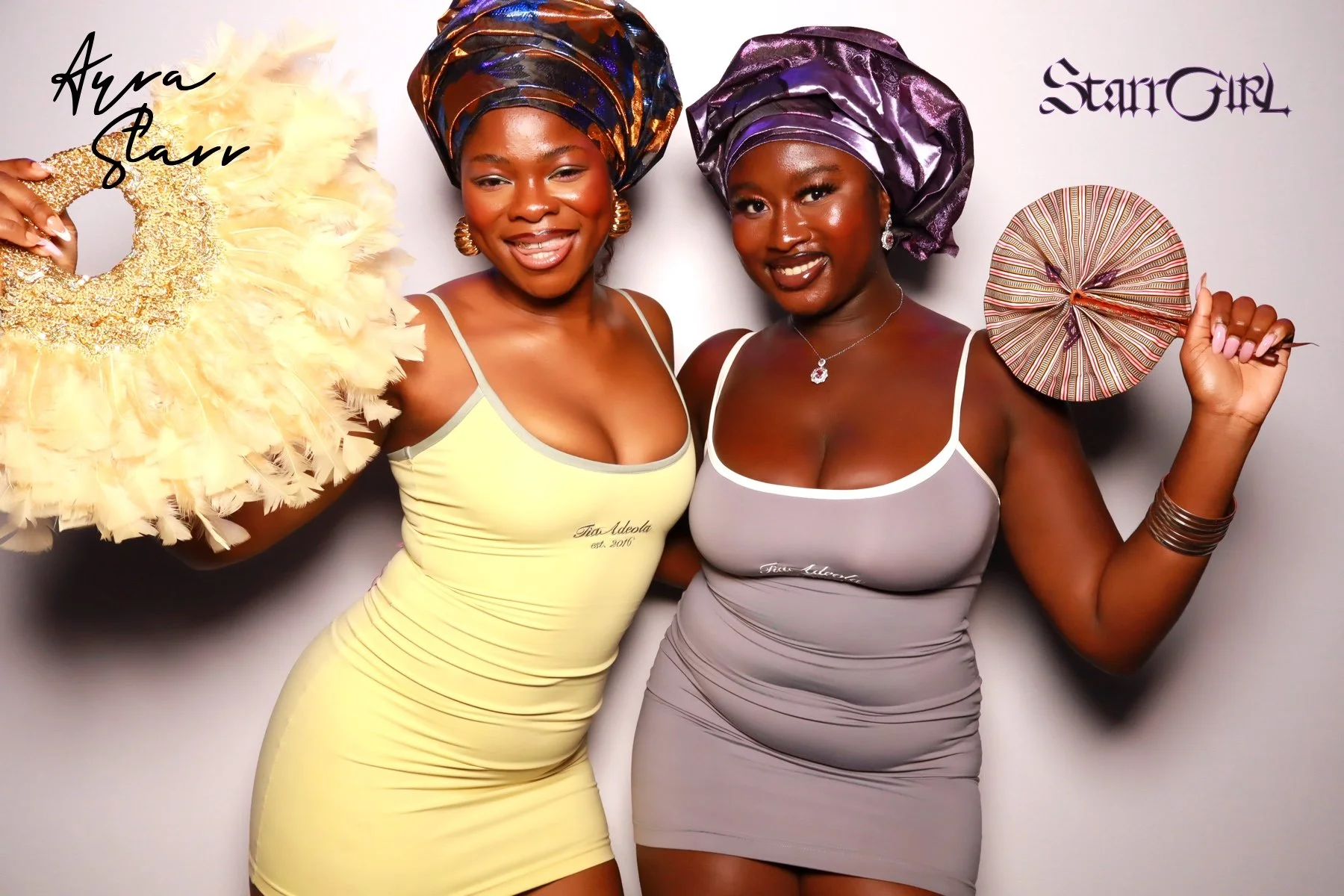
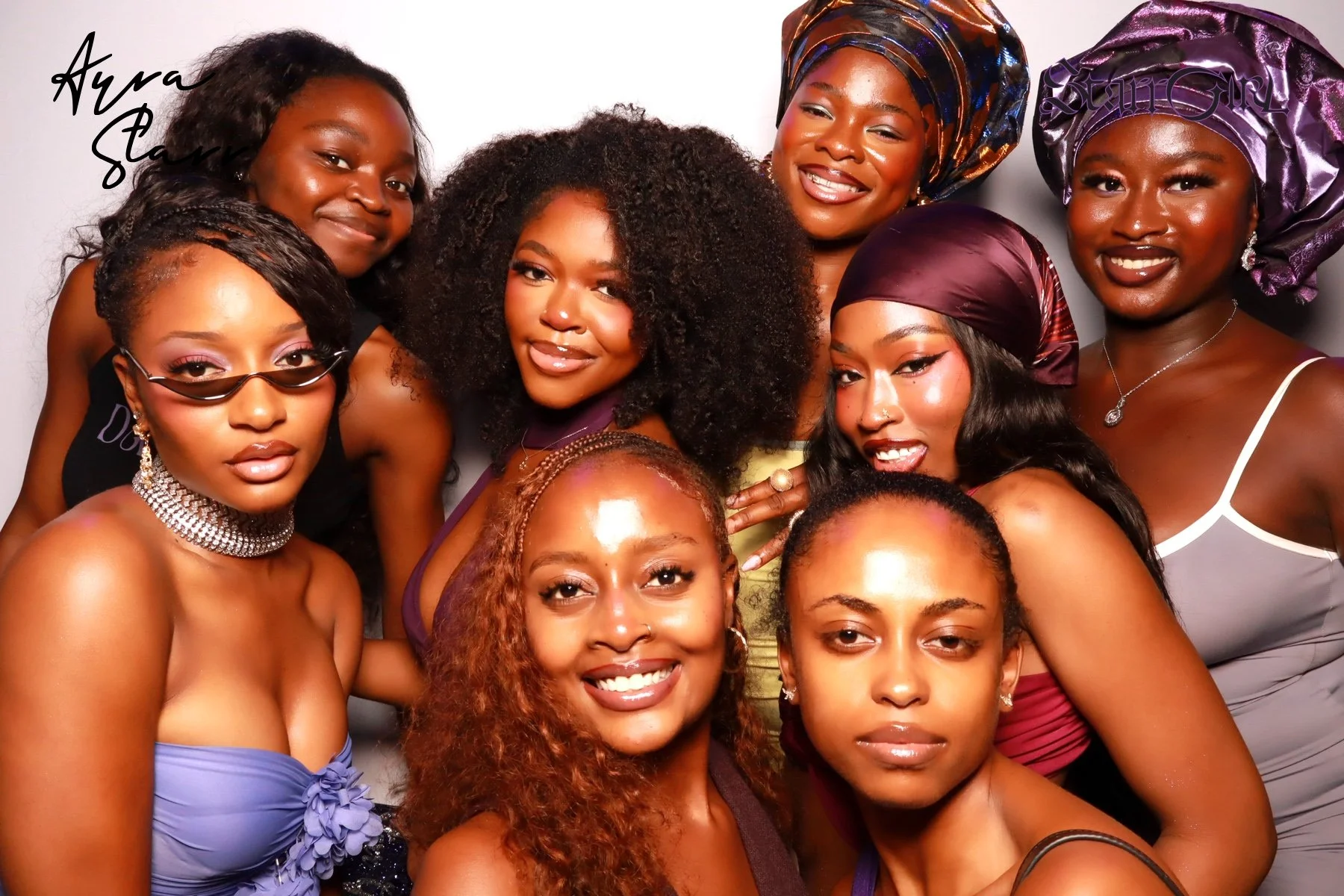
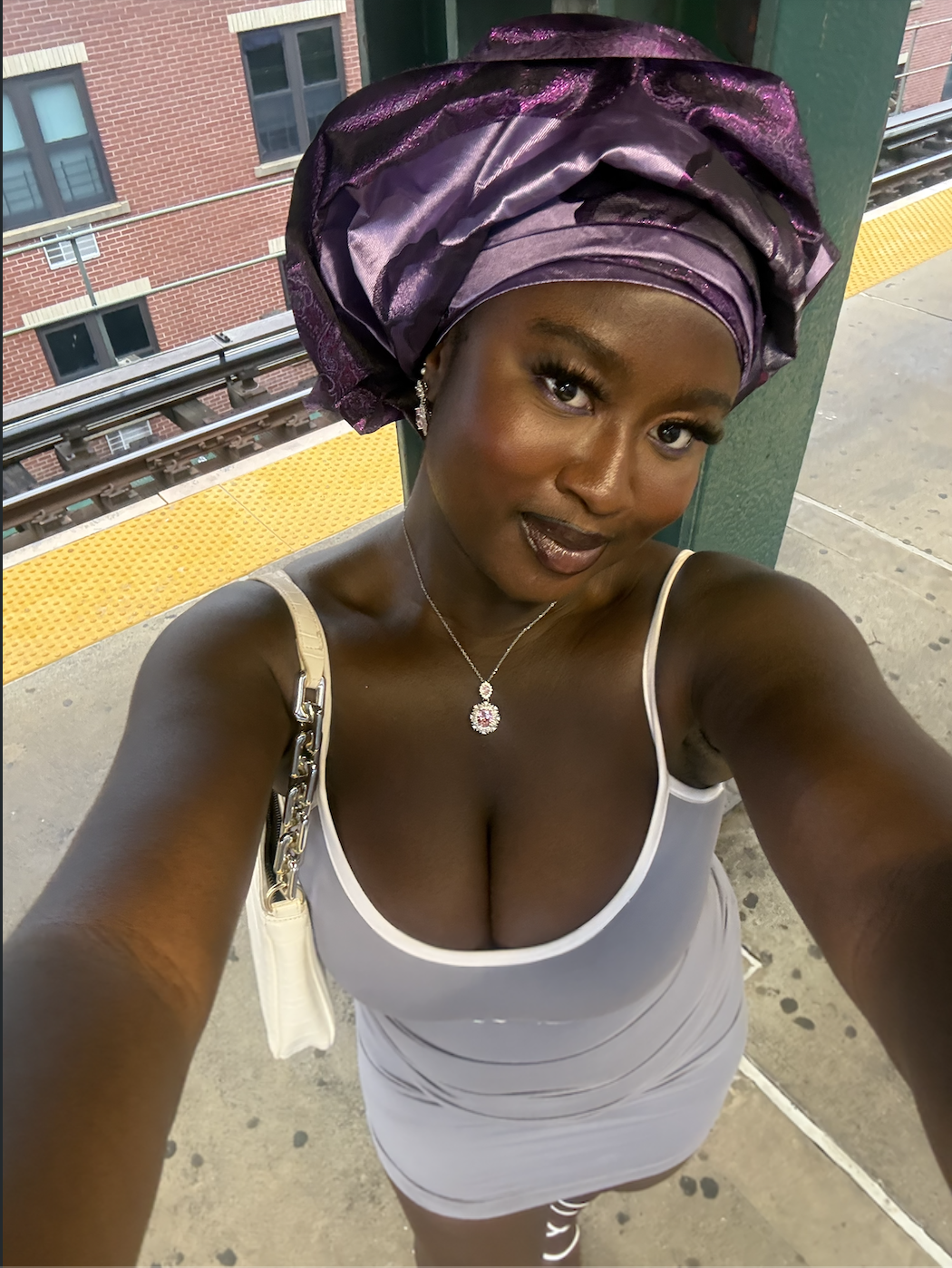
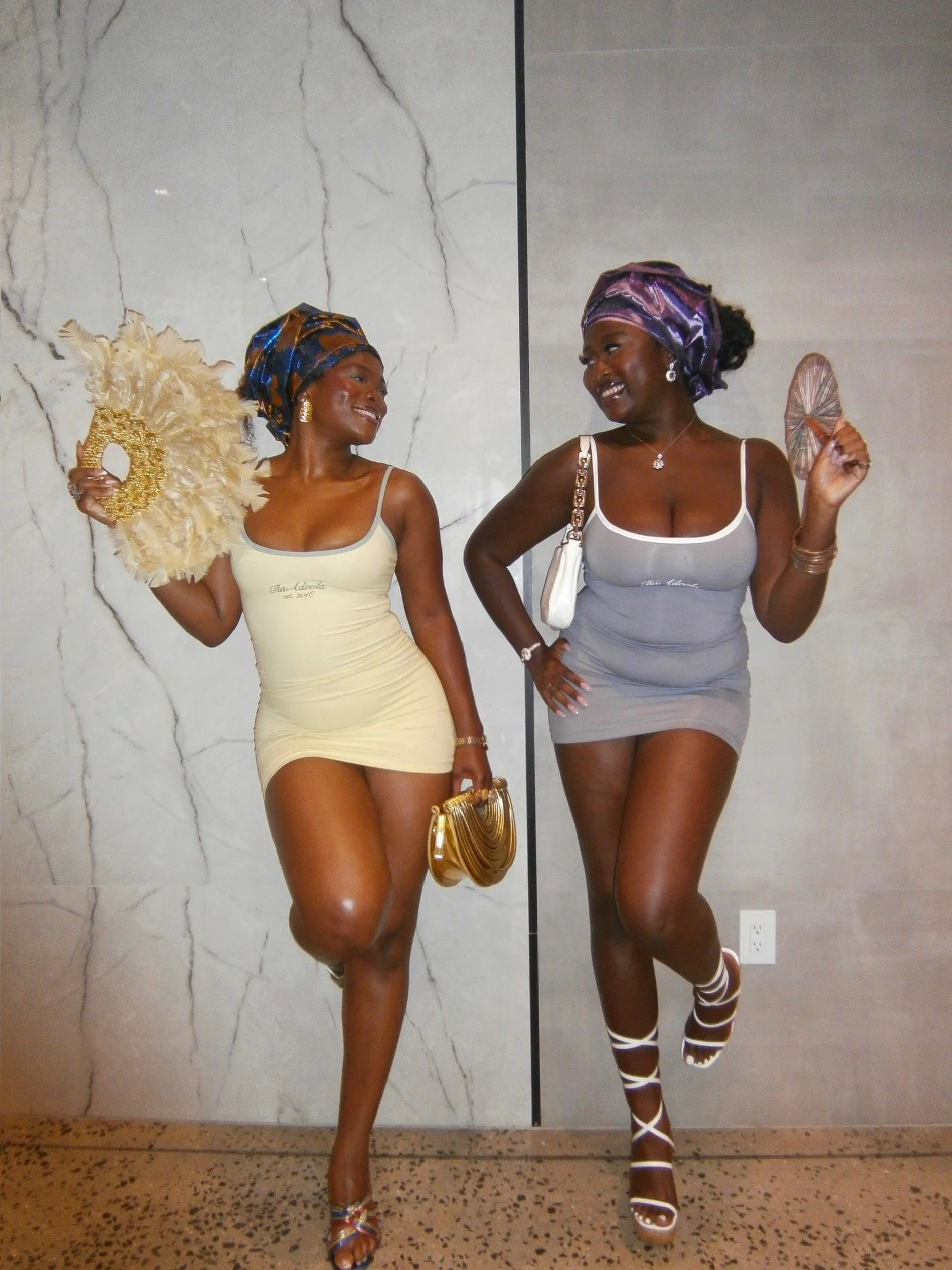
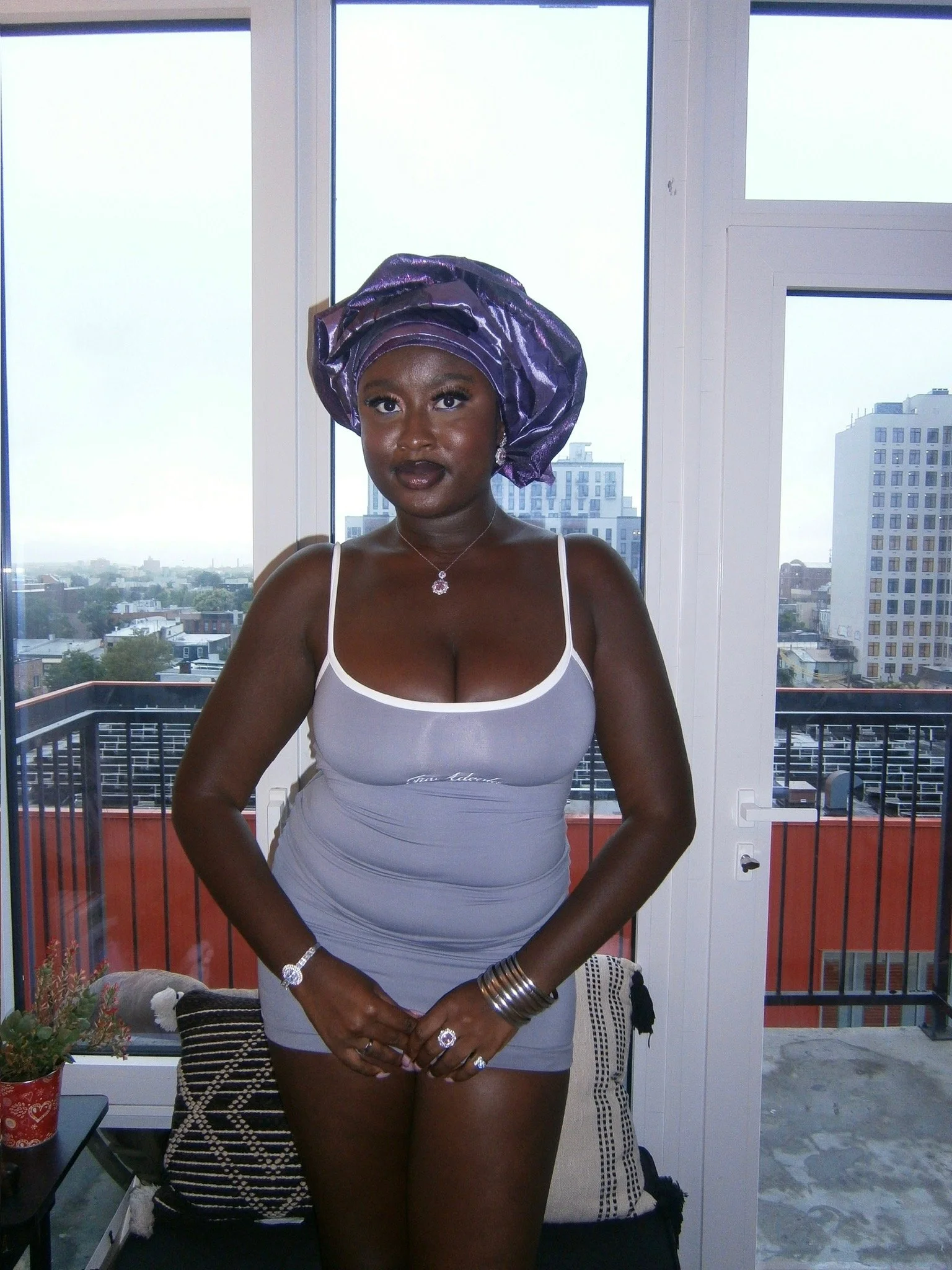
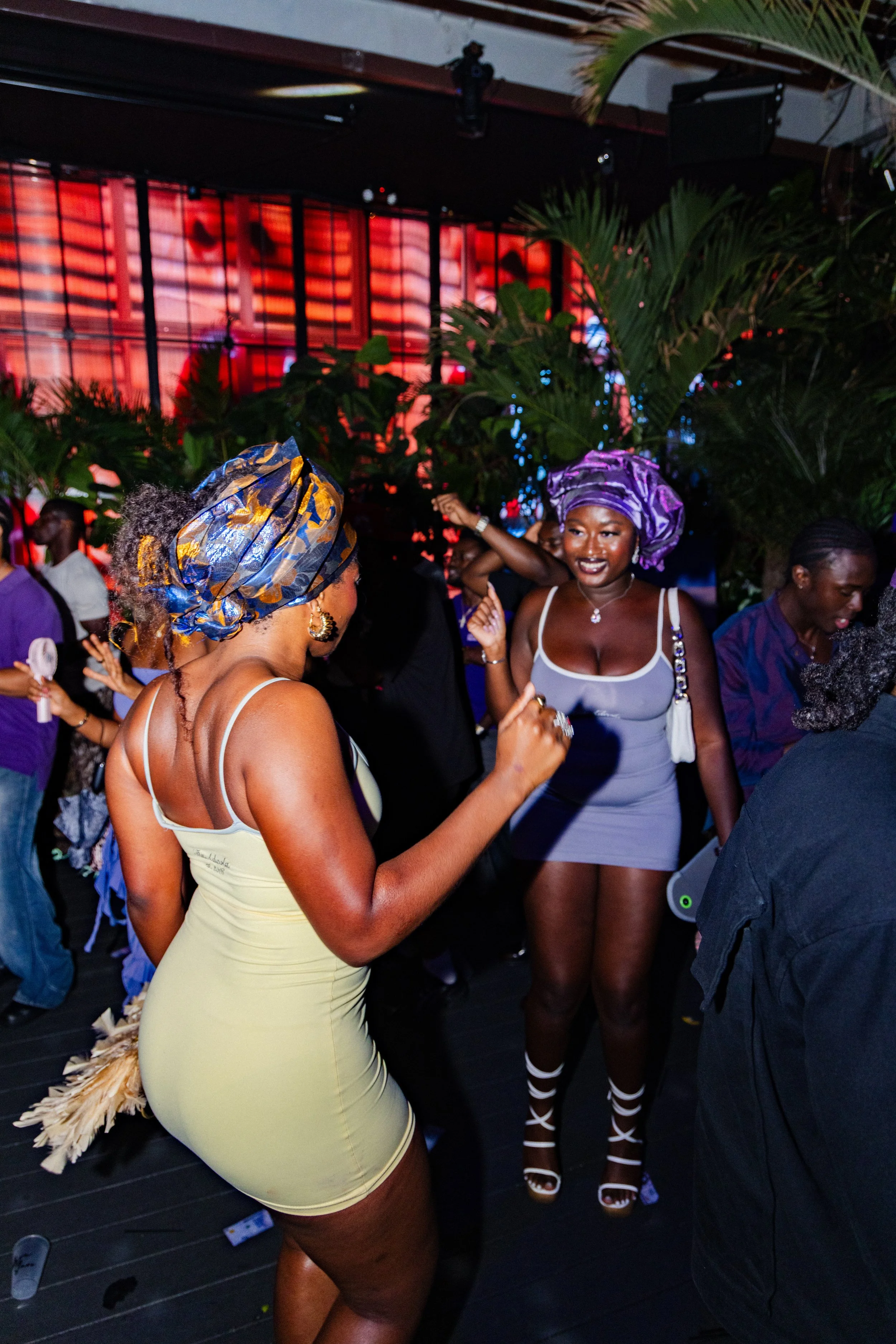
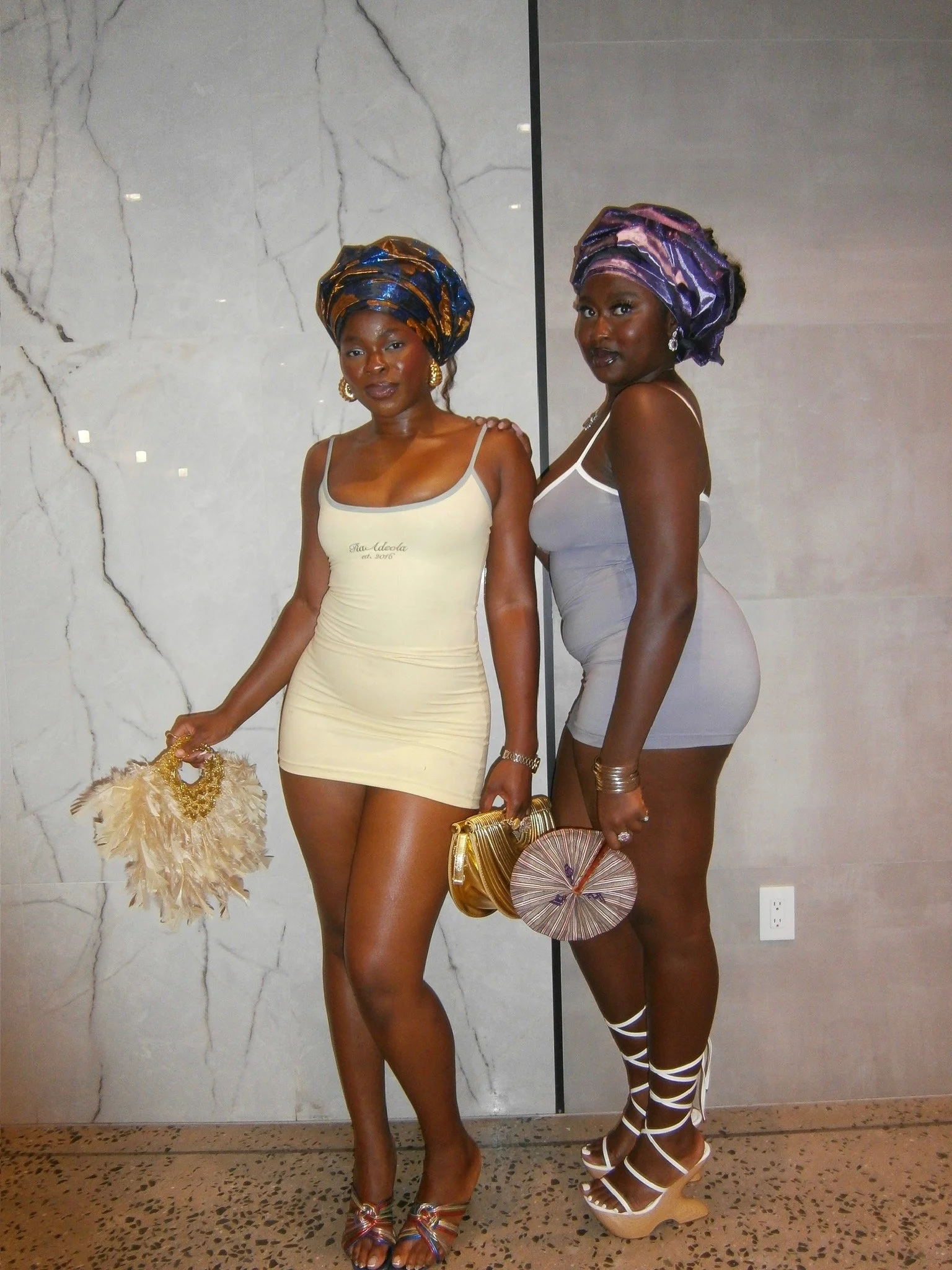
The cover of StarrGirl visualizes Ayra Starr styled in a latex mini dress with an iridescent gele lavishly wrapped around her head. Her pose is fierce, assured, and a purple beam of light shoots from her finger tips. She looks otherworldly, but still youthful. Her fingers clasped together—mimicking a gun—point the beam of light in front of her while she pointedly looks behind. It seems as if her cover is visually communicating what she shared in her Substack, how she is constantly “walk[ing] that tightrope between honoring where you come from and shaping who you want to become.”
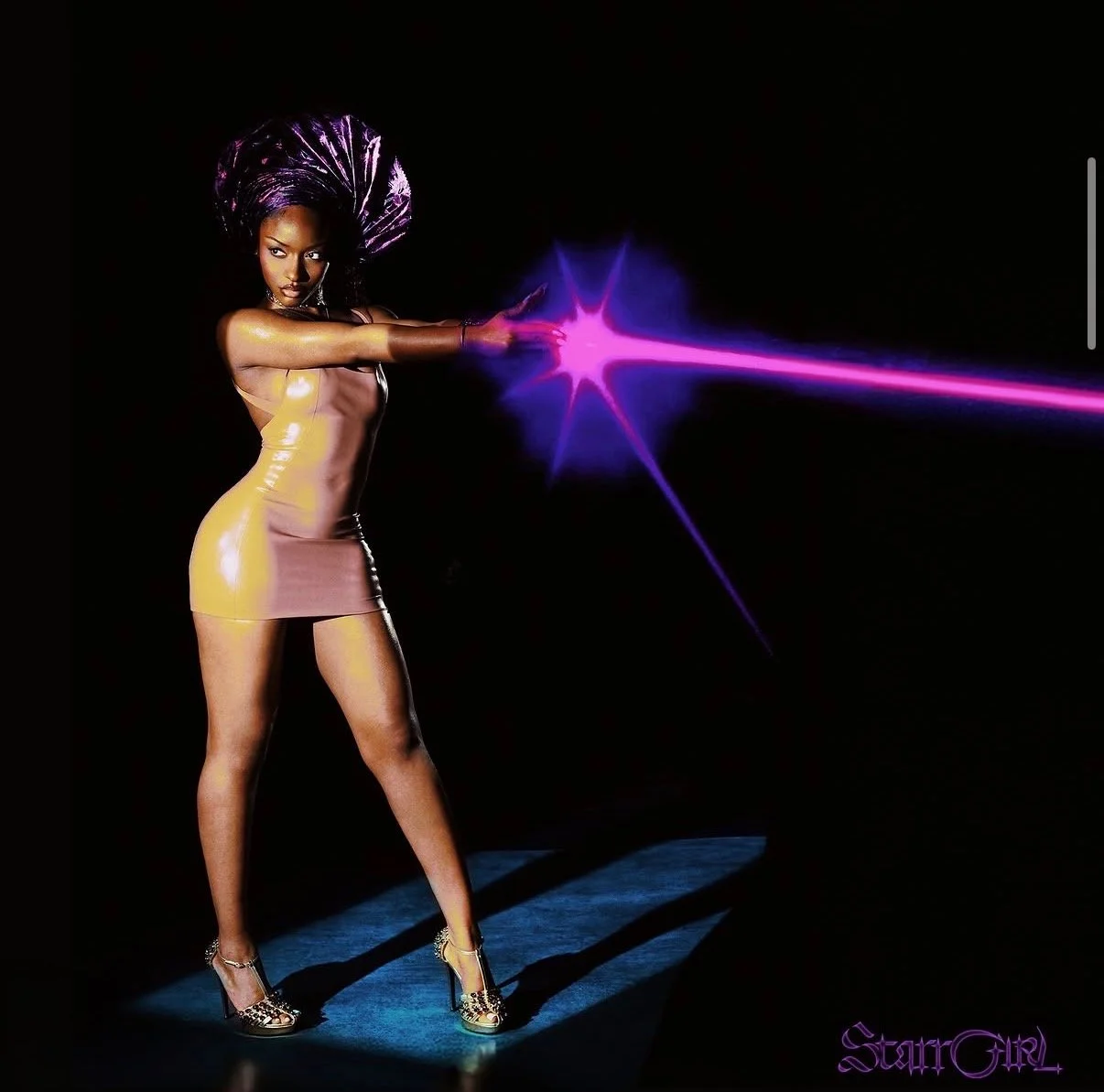
Photographer: @axlejozeph
Exec Producers: @earthboi.world @scrdofme @olabadmusgram
Design: @michaeljunioro @kentekwame
Producer: @oyinkanza
Production Assist: @olaytana22
Digi Op: @isaactapiki
Gaffer: @lightingbyjoe
Stylist: @yanderejan
Hairstylist: @laidby.kc
MUA: @thefacefairy
Gele Artist: @queen_shally_gelemua
Production Designer: @ranafadavi
Art Assist: @max.stranger22
When I first saw Ayra’s album cover, I immediately overstood. Ayra and her team, and most notably her stylist Janice Mahenge, are engaging in a practice I like to call cultural remixing, referring to the ways in which a new generation utilizes images, references, and cultural traditions to reinvent the codes of the previous generation to fit their new age. While StarrGirl is one example, think of Tolu Oye’s archival practice of infusing well-known Nigerian sayings into her designs for Meji Meji or Rema incorporating his Benin roots into his own distinct modern rockstar aesthetic.
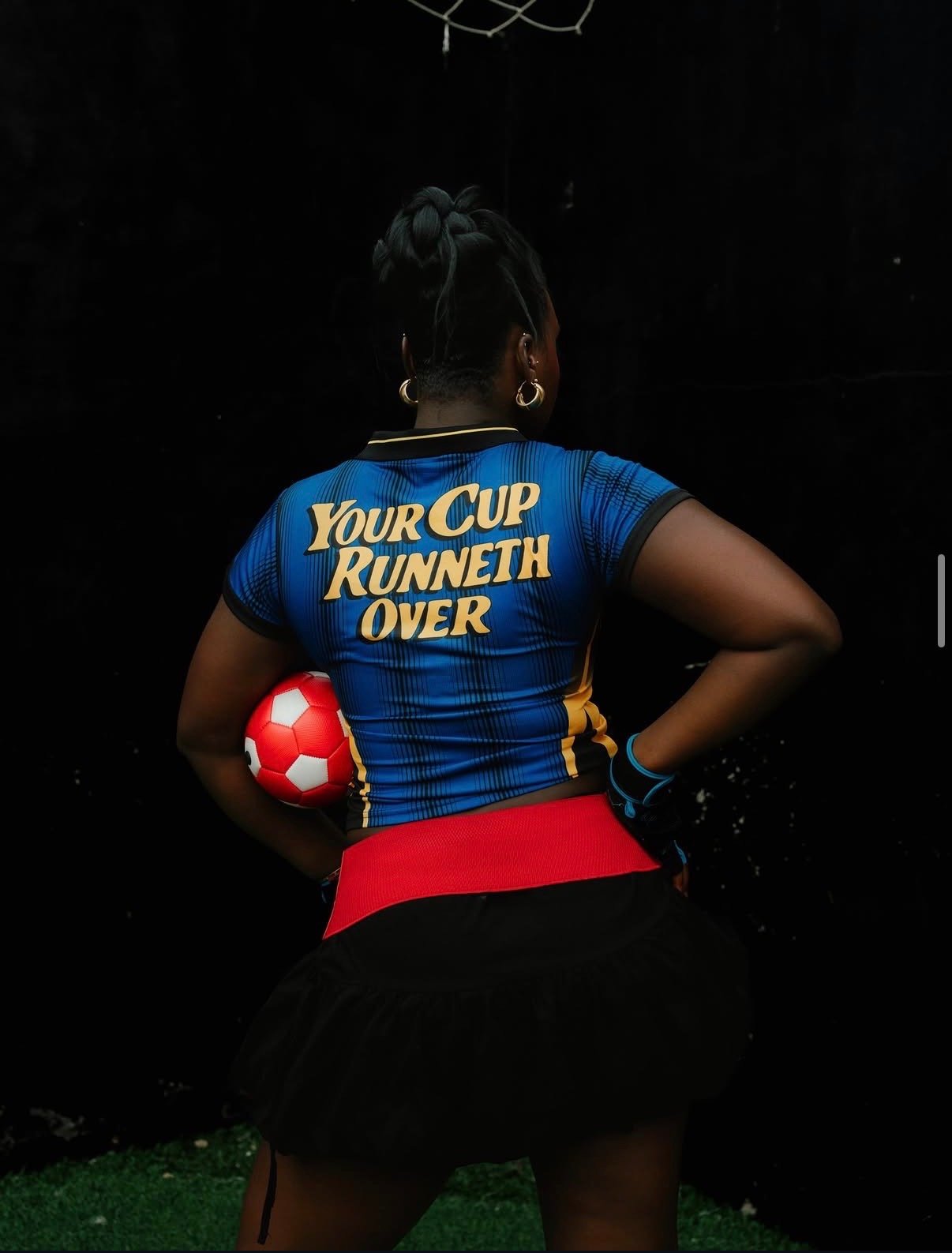
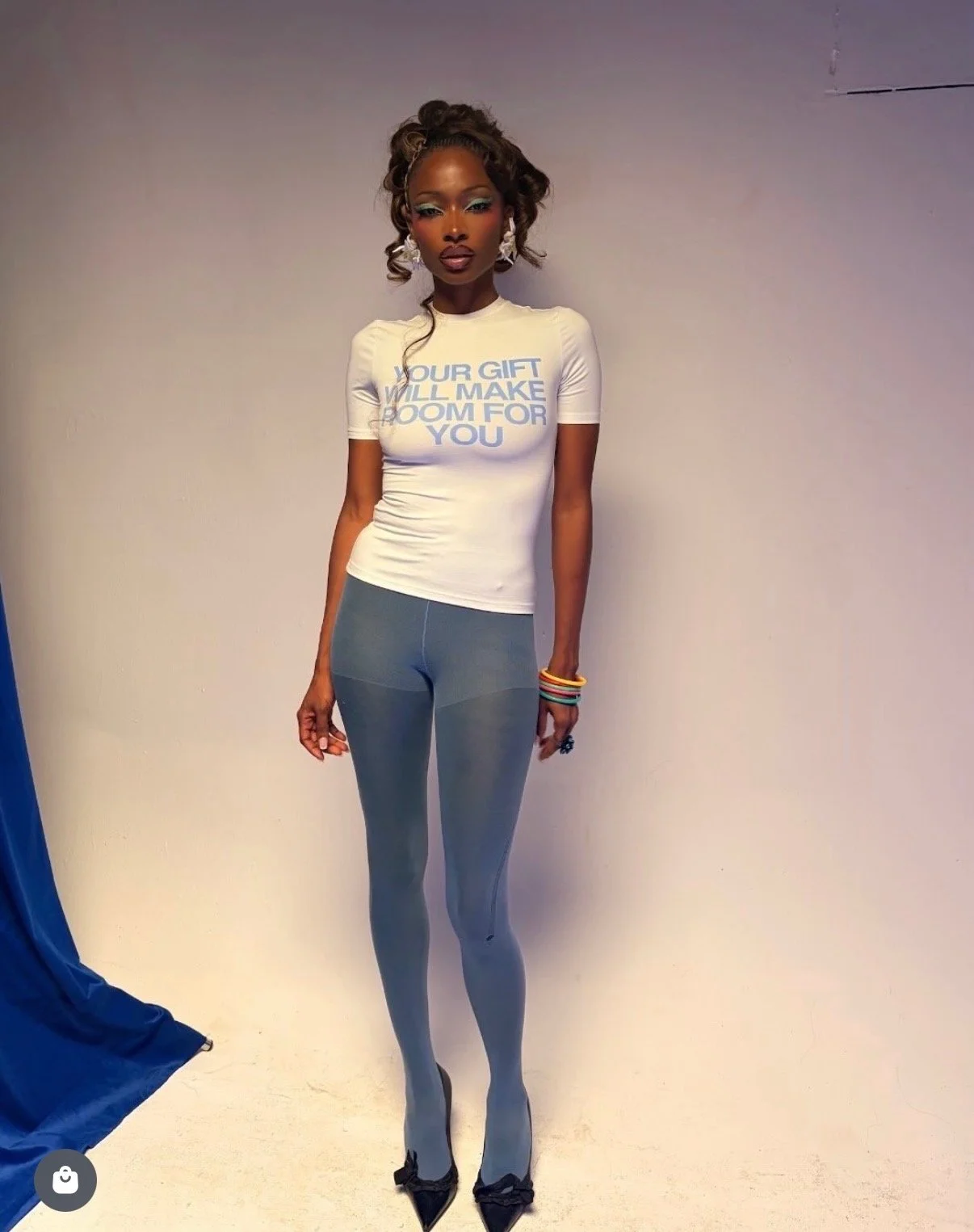


As a young Yoruba-American, I find myself often re-interpreting traditional styles in a modern way. I love tying a belt of cowrie shells to style with my oversized denim, or layering my mother’s ankara tops as skirts. So, seeing Ayra mix one of the most respectable garments in Nigerian culture with a skin-tight mini dress opened my eyes to many more possibilities.
And I was not the only one. Dozens of girls have begun to style themselves with geles alongside outfits for every occasion. In this piece, I am interested in exploring the history of the gele and pinpointing how Ayra and her team are culturally remixing this iconic garment. Further, I ideate on why this image resonates so much with my generation, and how cultural remixing reproduces itself through popular culture and social media.
In Nigerian material culture, the gele is a stylized head garment, where a rectangle of fabric is strategically folded and wrapped around a woman’s head. While many tribes in Nigeria don the gele, Yorubas historically have had a special reverence for the ori (head in Yoruba), and the gele both protects and adorns it.
The gele is an iconic visual of Nigerian style, reflecting what Nigerians prioritize culturally. One of the most central institutions of Nigerian culture is religion, followed by what I refer to as the ministry of enjoyment. Nigerians do not play about their convenings—whether to worship or to faaji. Notice how marriage fits perfectly within these two cultural spaces, both in practice as a spiritual covenant and in celebration, as one of the biggest parties of life.
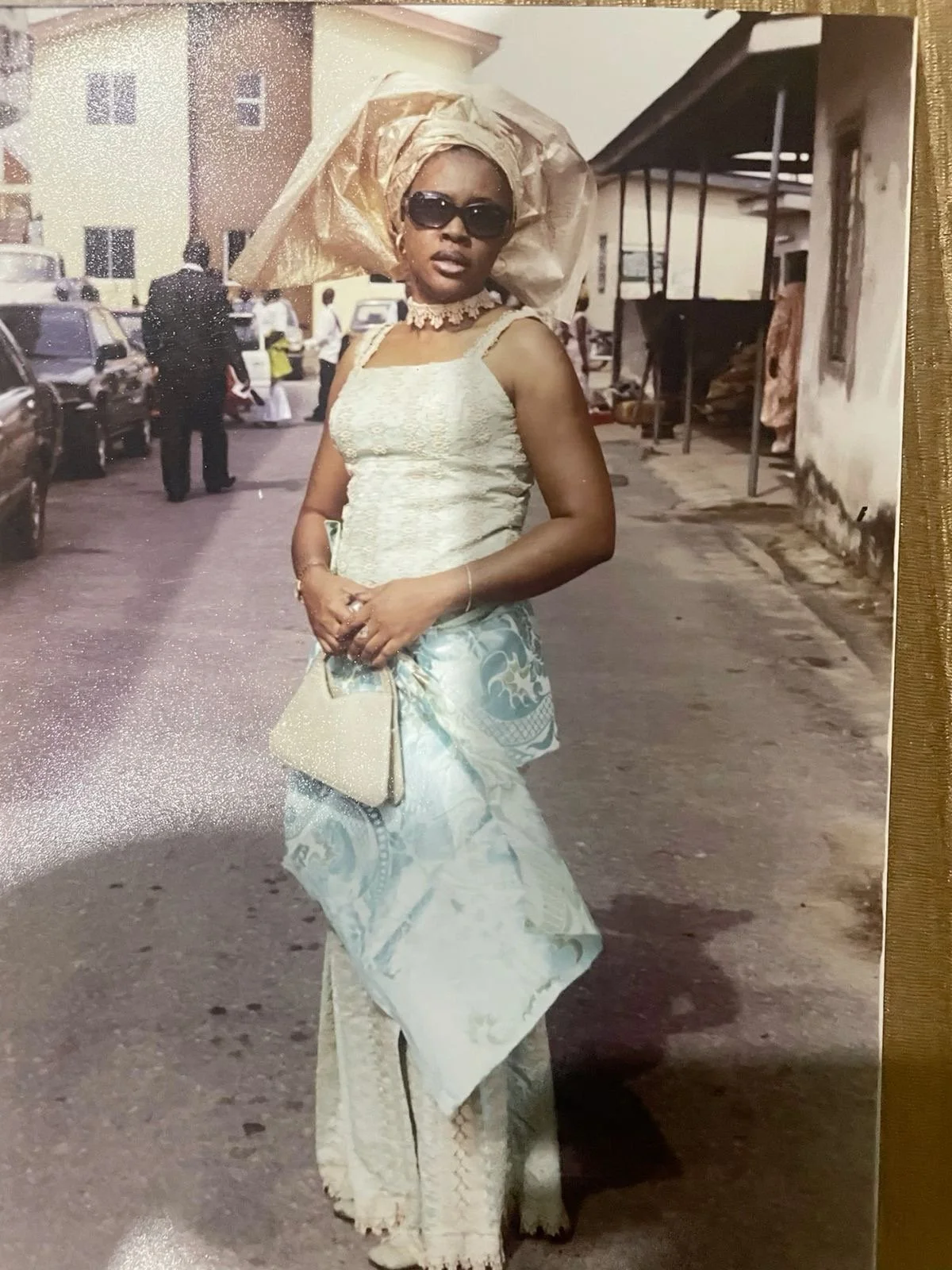
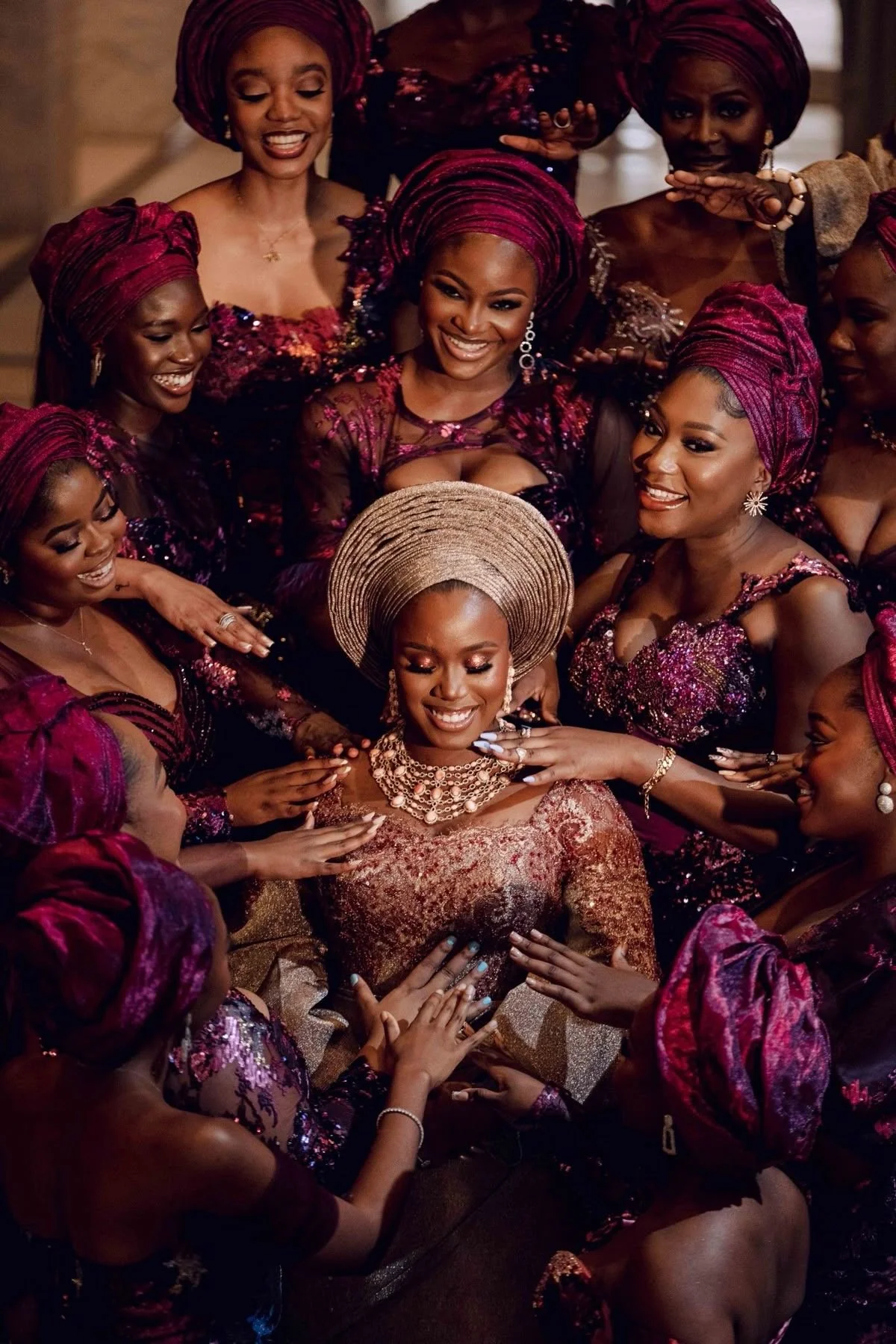
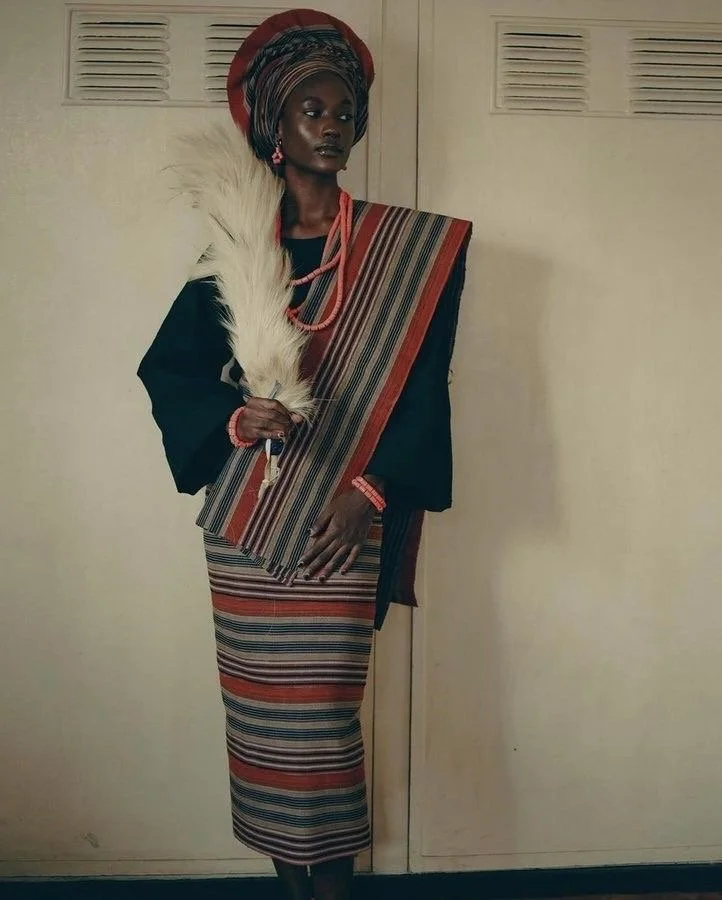
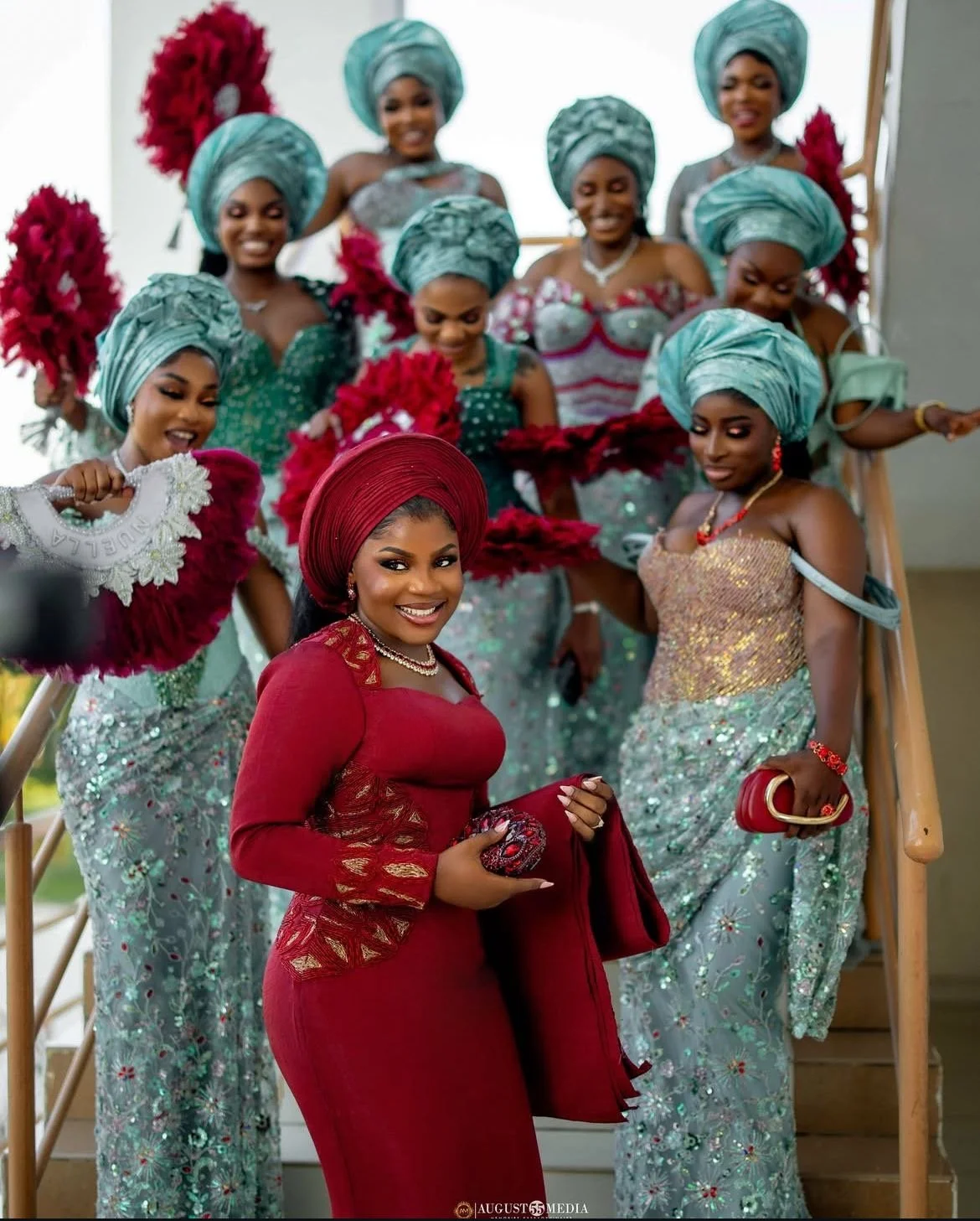
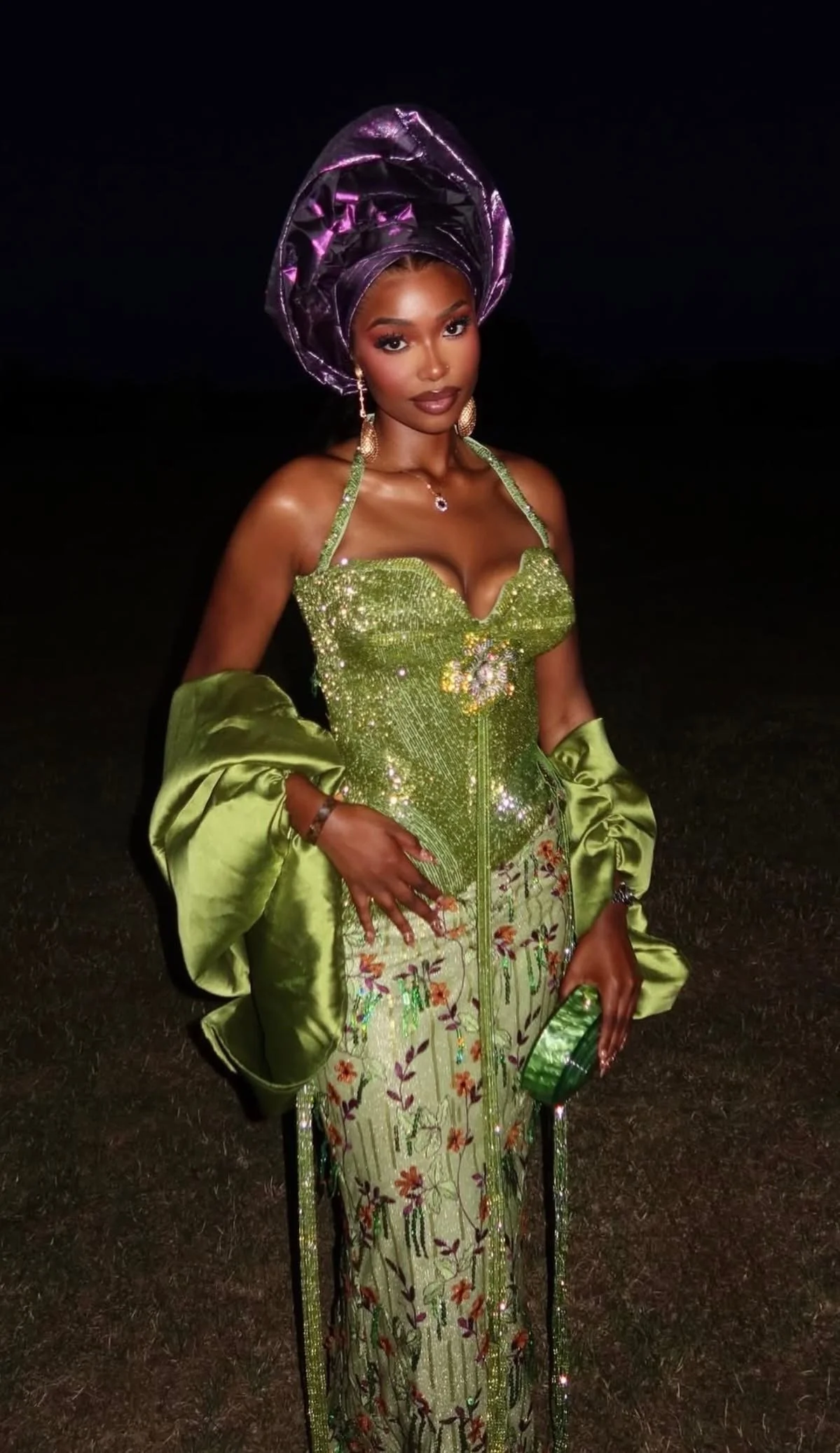
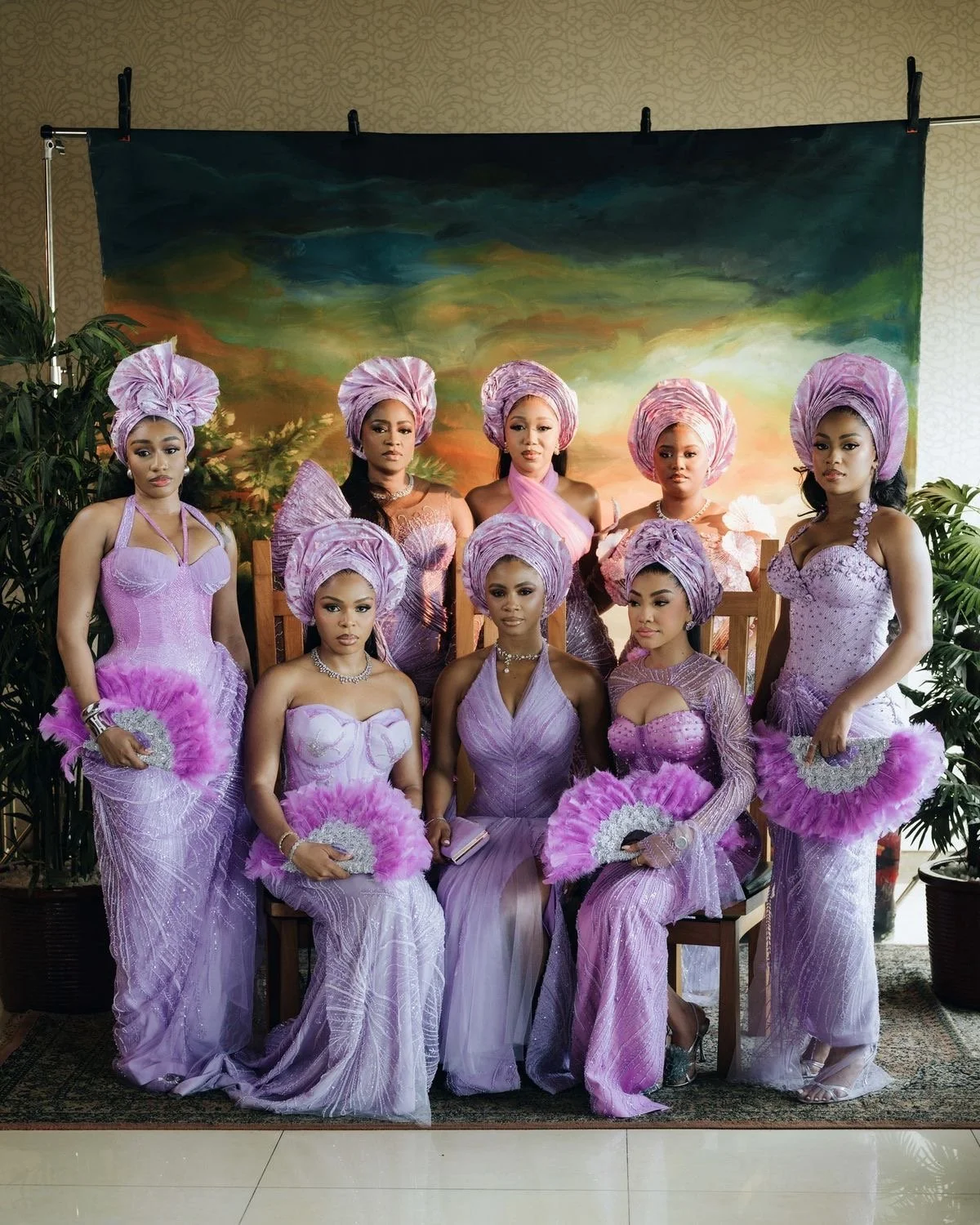
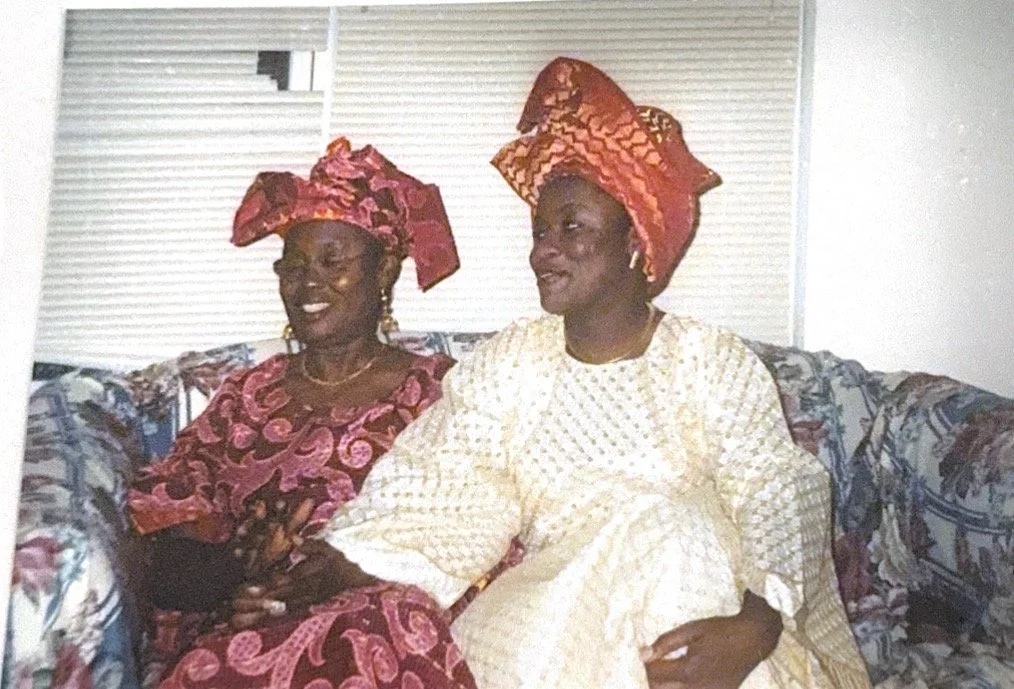
I grew up seeing aunties wearing matching gele and iro to church and brides adorning their heads with gele for their many marriage ceremonies. I always thought geles to be very elegant and extremely fashionable, perfectly framing the face of its wearer. Geles bring a sense of pride in oneself and culture; they are quite literally a crown on one’s head. As All Things Africa puts it, “no milestone is complete without the gele.”
Now, it is not to say that the gele has never been worn outside of a memorable event. Historically, Nigerian women would wear gele to many occasions from lavish owambes to casual outings at the market. StarrGirl is our latest iteration of gele styling, bringing the garment to a contemporary environment with a modern audience.
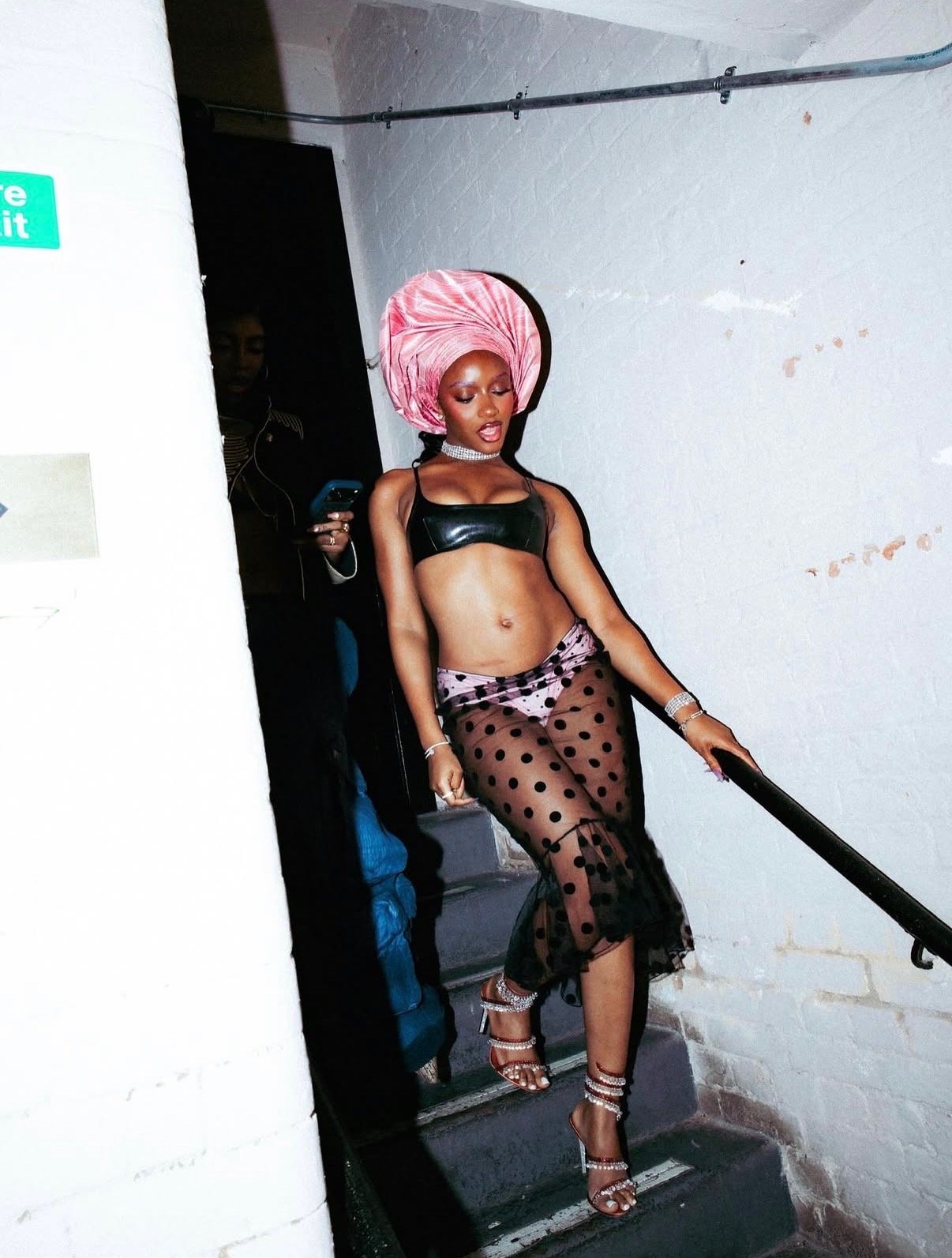
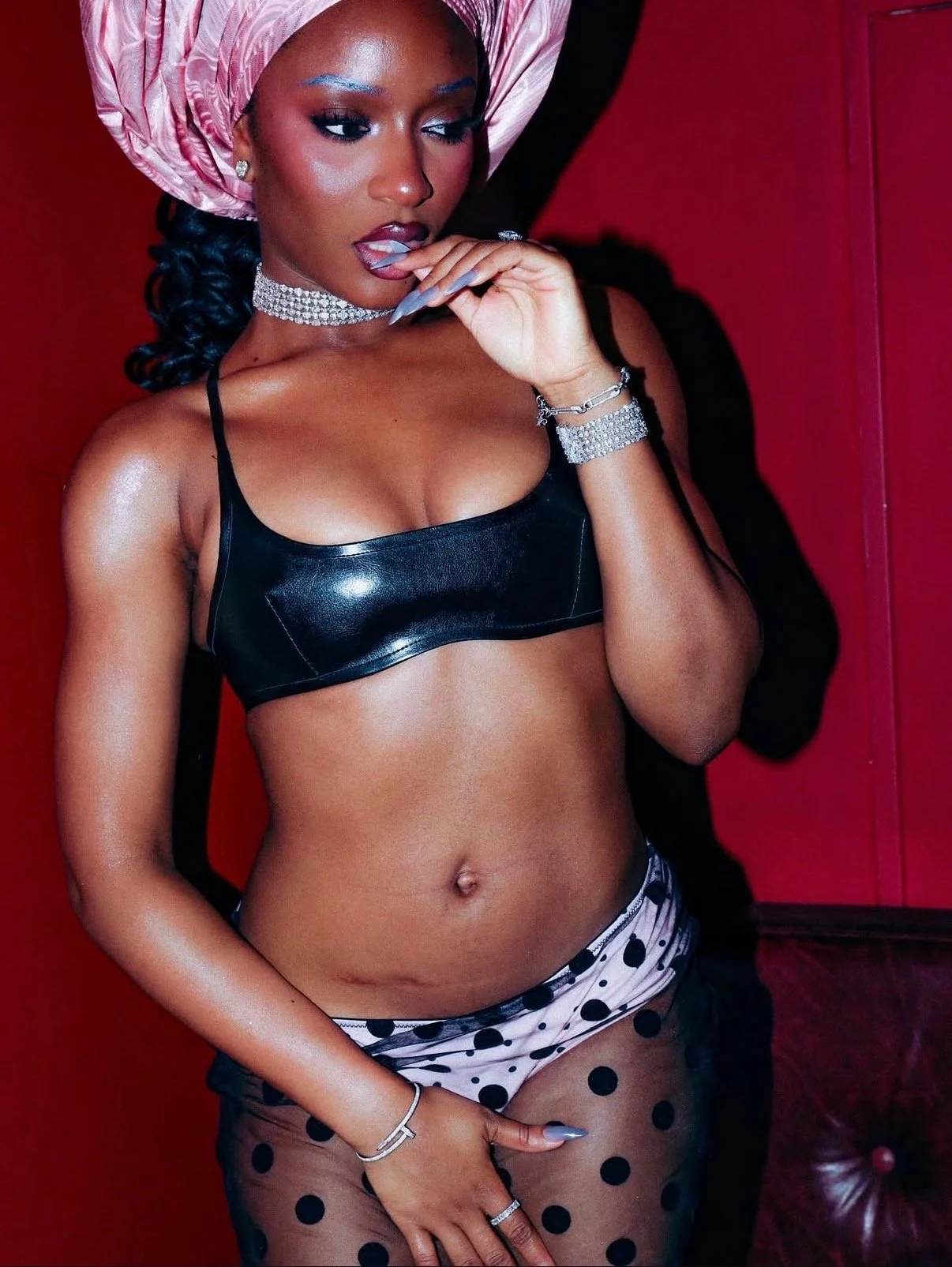
So why does Ayra’s cover resonate? StarrGirl and its subsequent promo of Ayra attending Zsongo Club in gele represent a tension between Nigerian traditional garments and new age silhouettes, opening conversations around identity, respectability, and modern womanhood. Ayra attending the club in a pastel pink gele, leather black bra, and a sheer polka dot skirt made me realize the importance of the space and environment a cultural item is situated in regards to its reception.

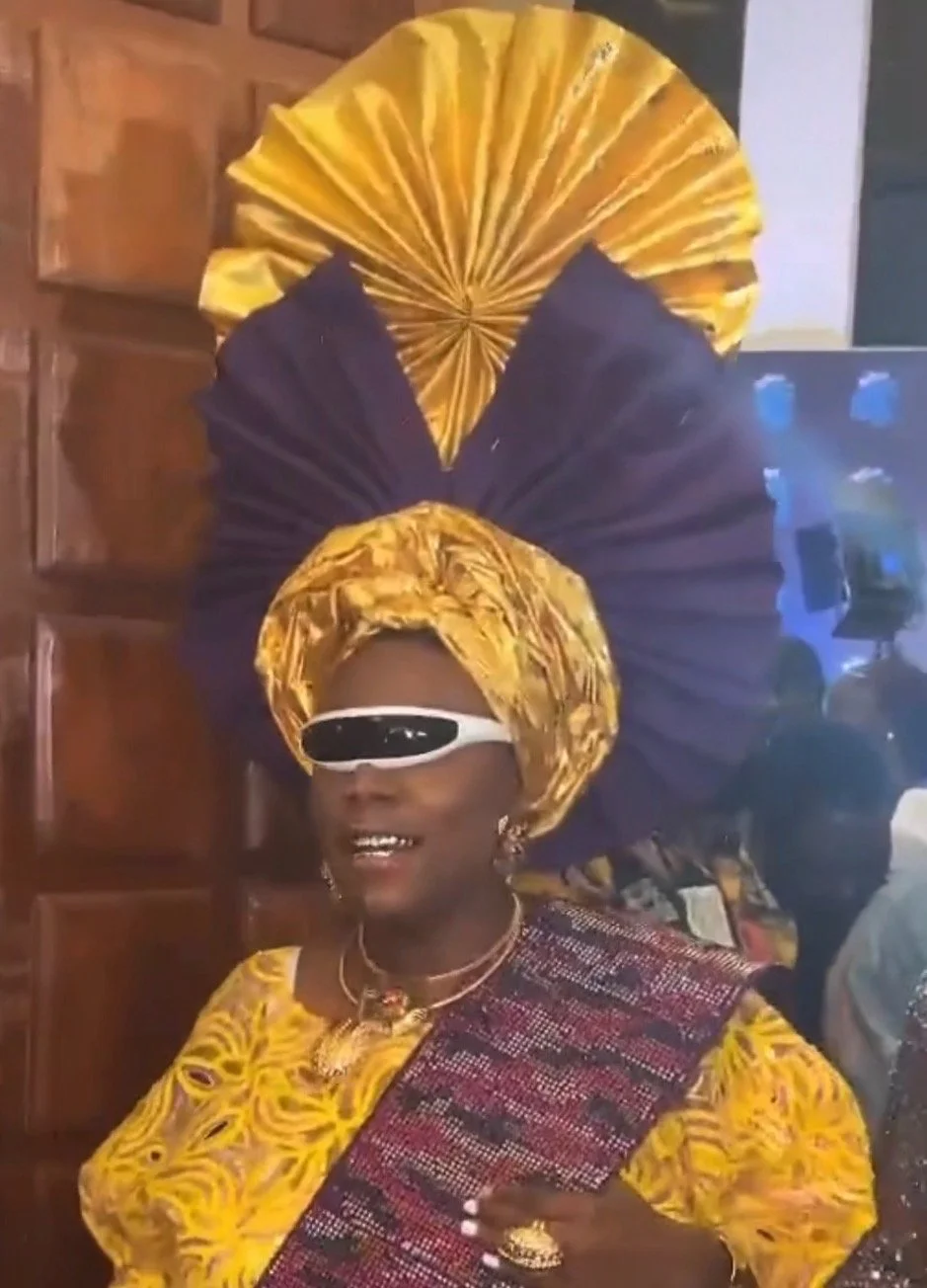
Ayra Starr is not the first Nigerian artist in this cultural remixing of gele conversation. I would consider artist Teni to be a modern pioneer of gele styling. Her vibrant and eccentric three feet geles styled with the most futuristic-looking uni glasses have broadened the scope of the traditional style. However, Teni still keeps the gele in its most intended environment: a hall party, styled alongside traditional garments such as lace or iro and buba.
Ayra has removed the gele from its intended environment(s) and positioned it within a context of her own, at a time when she herself is coming of age as a woman and international popstar. In the words of Ayra herself in her Substack,
“Starrgirl is a bridge between past and present, tradition and transformation, self and society, accepting complexity and turning it into strength.
To exist in multitudes, to unfold endlessly, to shine in countless numbers like STARS in the galaxy.”
I am so interested in how style can act as a mode of self discovery and cultural reckoning. Across the diaspora, Nigerian youth are deciding what their future will look like. What I’ve noticed from contemporary Nigerian fashion designers, creatives, musicians, artists, and multidisciplinary talent is one thing: a unique amalgamation of traditional Nigerian culture and modern aesthetics. Nigerian creatives of today are developing from what they’ve always known and bringing forth everything they hope to see.
And social media has facilitated this development tremendously. We are a diaspora; some of us call Nigeria home, while many of us live all across the world. Social media has become a stage where Nigerian youth create and negotiate what it means to be Nigerian, visually, aesthetically, sonically, politically, sartorially, etc. As an artist producing her pre-album release rollout, Ayra and her team had every intention to start a trend. StarrGirl became a movement, and social media was the perfect stage where reproductions of Ayra’s look are widely disseminated and encouraged for their promise of internet virality.


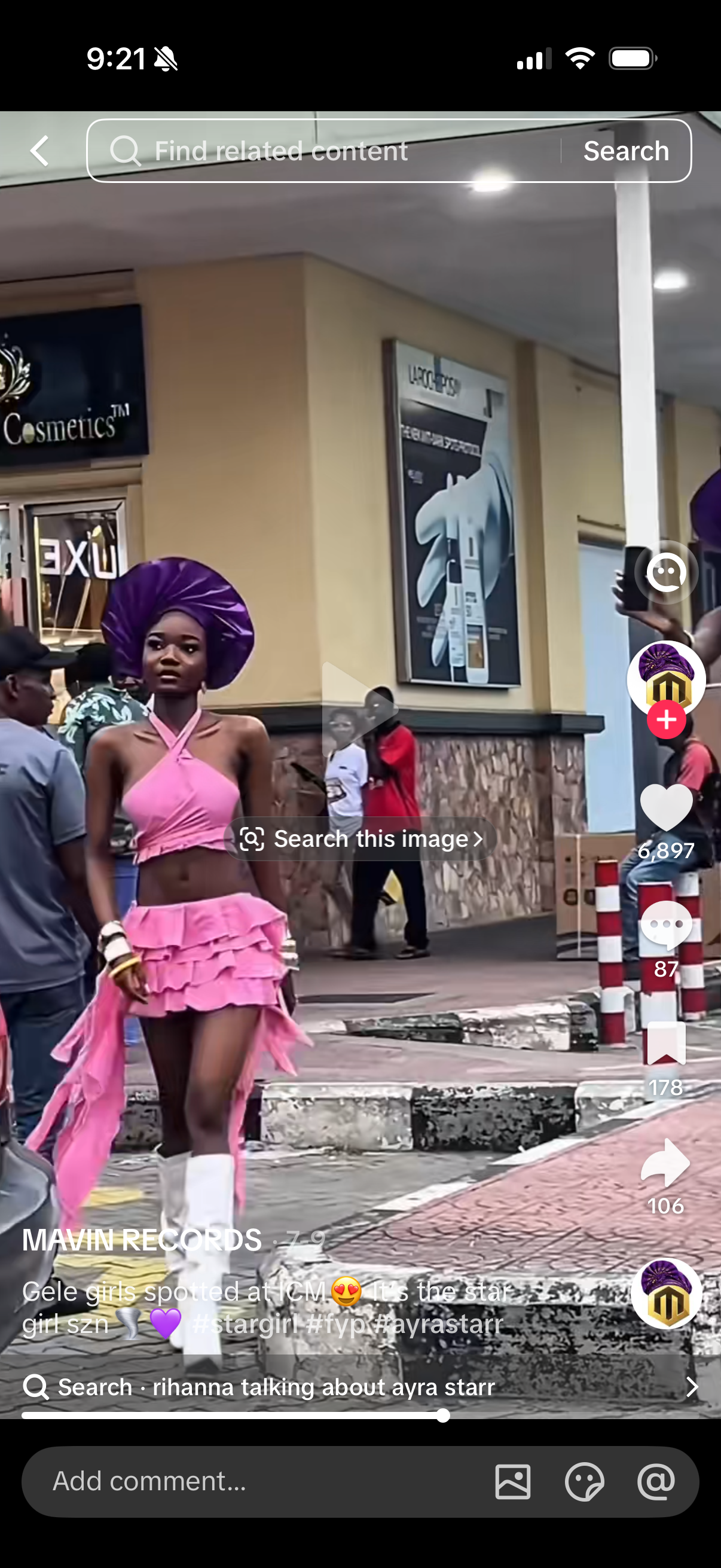
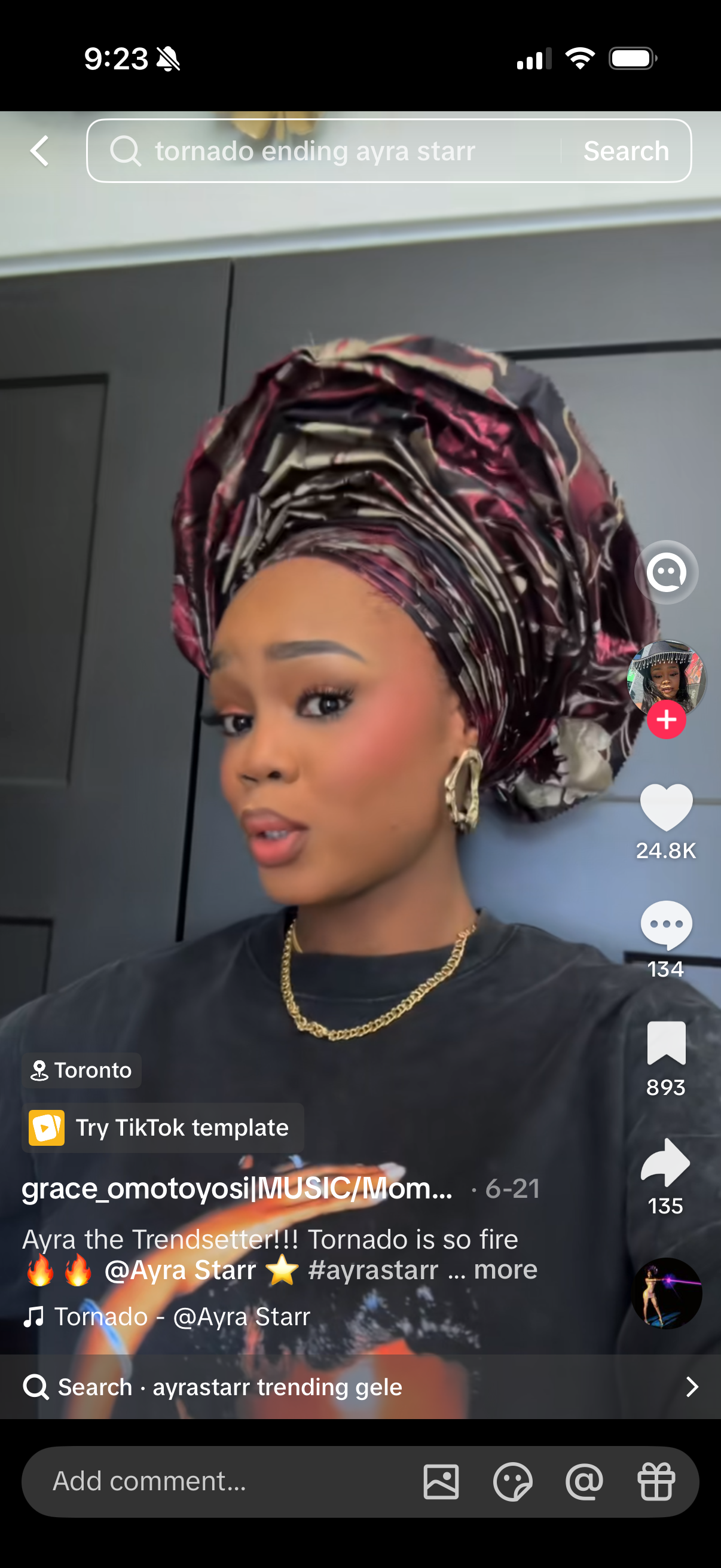

While I can notice the business-side of things, I also recognize how StarrGirl has empowered many Nigerian babes to engage in their own form of cultural remixing by reproducing this trend. Many of us have fond memories of the important women in our life in geles. One of my favorite images of my mom and her mother is the two of them in matching geles for my mom’s engagement ceremony.
While we were getting ready for Ayra’s listening party, my partner in crime, Sikirat, mentioned the deep nostalgia that overcame her throughout this experience. She grew up watching her mother pore over the bathroom mirror as she perfectly tied her gele for every party and wedding. Her mother is extremely well-versed in Nigerian fashions, owning a garment shop in Queens. Sikirat felt very connected to her mother in that moment as she tied our geles, thinking fondly on her childhood admiration of her, and feeling empowered to be continuing her mother’s legacy of adornment.
As a child of the diaspora—not born in Nigeria but raised as if I was—-I am still renegotiating what it means for me to be Nigerian, and specifically Yoruba. It is moments like these, where I am able to reinterpret my culture for myself that I feel my place more and more. Long story short, you will be seeing a lot more gele from me (as soon as I learn how to tie it!).
It was fun to be a StarrGirl for a night. Kudos to Ayra on a great album, and her team for one of my favorite looks of the year! I would love to hear from you all on what you’ve noticed your generation to culturally remix, and what it feels like for you to reinterpret your history.
I know for Ayra, she would encourage us to keep pushing forward, “understanding you might never fully belong anywhere but accepting you also belong everywhere.”